One leaking pipe can be a repair. But when leaks keep appearing in different parts of your home, the problem may be bigger than one damaged section.
You fix a leak behind the wall. A few months later, another pipe starts leaking near the bathroom. Water pressure becomes weaker. You notice discoloration from a faucet, or another hidden leak appears under the floor.
At some point, repeatedly repairing old pipes may stop making sense.
PgPlumbers provides whole-house repiping in Punta Gorda, FL for homeowners dealing with aging pipes, repeated leaks, corrosion, pressure problems, and plumbing systems that are becoming unreliable.
Most homeowners do not wake up one morning and decide they want to repipe their house. Usually, the decision begins with repeated problems.
The first leak gets repaired. Then another appears. Water pressure is not as strong as it used to be. A pipe starts leaking inside another wall. You begin wondering which pipe will fail next.
Replacing isolated pipe joints may only delay the inevitable when your home needs a full-service plumbing contractor in Punta Gorda to evaluate the overall condition of the plumbing system rather than continuing to repair one section at a time.
Possible warning signs include:
One of these signs does not automatically mean you need a full repipe.
But several problems happening together can be a reason to have the entire supply system evaluated.
PgPlumbers helps homeowners understand whether another repair or a larger repiping solution makes more sense.
Repeated leaks can become expensive in more ways than one.
There is the plumbing repair itself. Then there may be drywall repair. Flooring may need attention. Cabinets or paint can be affected. And every new leak brings another worry about water damage.
If the pipes throughout the home are in similar condition, repairing only the section that failed today may not tell you what will happen next month.
That does not mean every older plumbing system should automatically be replaced. It means homeowners should look at the pattern. One isolated failure is different from a system that keeps developing new failures.
When PgPlumbers looks at a repiping problem, we focus on the bigger picture instead of simply counting leaks.
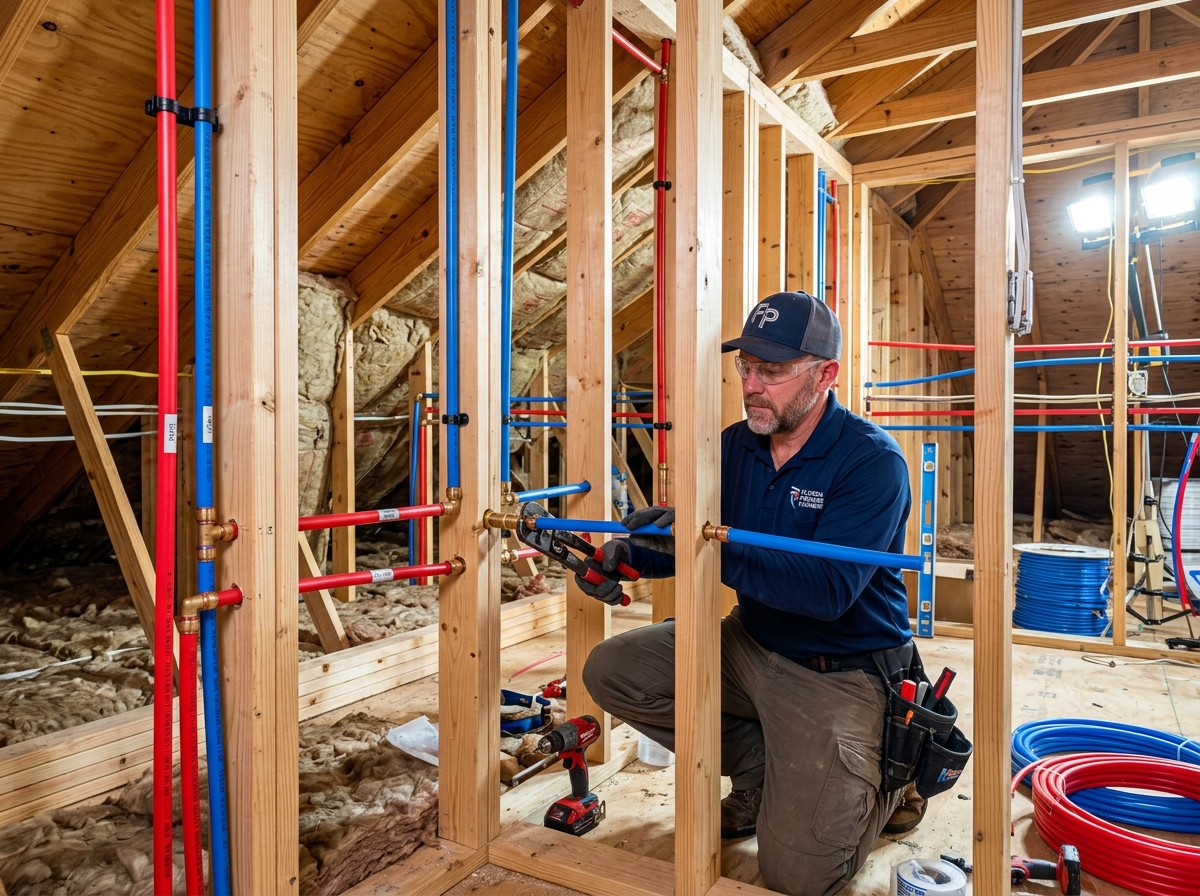
A whole-house repipe replaces aging or unreliable hot and cold water supply lines with new piping. The exact scope depends on the home, current pipe material, plumbing layout, and where the new lines can be routed.
Complete replacement of all aging supply lines throughout the property to restore lasting pressure, water cleanliness, and total system reliability.
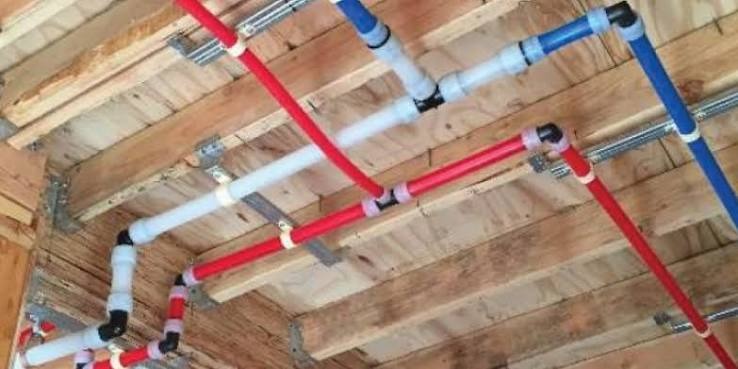
Flexible, corrosion-resistant modern piping that allows efficient routing through attic and wall cavities with fewer connection joints.
Durable, rigid metallic supply piping installed with precision soldered or press fittings for homeowners preferring traditional copper lines.
Systematic removal of failing polybutylene (Poly-B), corroded galvanized steel, or deteriorating early copper supply networks.
In slab-built homes with recurring foundation leaks, confirming line breaches with electronic slab leak detection lets us route new plumbing overhead rather than chipping through finished concrete.
Replacing the main incoming residential water line from the city water meter to the home when repeated repairs are no longer the best option.
Before work begins, the important questions are: Which pipes are failing? What material is currently installed? Where should the replacement lines run? And how can the work be completed with as little unnecessary disruption as possible?
This is one of the most important questions a homeowner can ask. And the answer should not automatically be “yes.”
Imagine your home has one leaking pipe caused by one damaged fitting. The surrounding plumbing is in good condition. Water pressure is normal. There is no history of repeated leaks.
Now imagine a different home. Several leaks have been repaired in the last few years. Another hidden leak appears. Water pressure has become weaker. The pipes show signs of age or corrosion.
PgPlumbers focuses on helping homeowners understand that difference.
A pinhole leak is a very small opening in a pipe. But a small hole can still create a large problem when water continues escaping behind a wall or below flooring.
One pinhole leak may be repairable as an isolated problem. Repeated pinhole leaks in different parts of the plumbing system deserve more attention.
If sections of the same pipe material are beginning to fail one after another, the question becomes less about fixing today's leak and more about the remaining condition of the system. This is especially important when leaks occur in areas that are difficult to access.
If your home has already had several pipe repairs, tell PgPlumbers about that repair history. It can help us understand whether another spot repair or whole-house repiping in Punta Gorda may be the more practical direction.
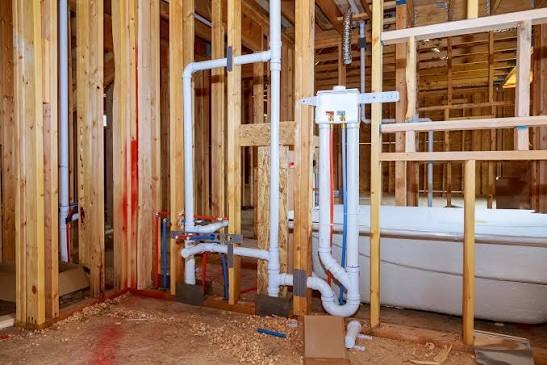
Plumbing located under a concrete slab can be difficult to access. One slab leak may be repaired or rerouted depending on the situation.
But homeowners who experience repeated under-slab leaks may eventually need to ask whether continuing to repair buried sections is the best long-term approach.
In some homes, new supply lines may be rerouted through more accessible parts of the property instead of continuing to use a failing under-slab route. This approach is sometimes called an overhead reroute.
The goal is to create a new path for the water lines while reducing future dependence on the problem section below the slab.
The correct routing depends on the home's design and plumbing layout. PgPlumbers looks at the location of previous leaks, existing plumbing, and condition of the system before discussing repipe options.
Different homes contain different plumbing materials. Some older properties may still have galvanized steel, polybutylene, older copper, or a combination of materials from previous plumbing repairs and renovations.
Age alone does not prove that a pipe is failing. The condition matters more.
But older plumbing deserves closer attention when it is combined with problems such as corrosion, repeated leaks, poor pressure, discoloration, or previous pipe failures.
If you do not know what type of pipes are inside your home, you are not expected to identify them yourself. That is something that can be checked while evaluating the plumbing system.
Polybutylene is a plastic water-supply piping material that was used in many homes decades ago. If your property contains polybutylene piping, its condition should be considered when evaluating repeated leaks or planning larger plumbing improvements.
You may see it identified as Poly-B or PB piping. Finding polybutylene does not mean you should panic. The better approach is to understand how much of the system uses it, whether there have been previous failures, and whether replacement should be part of a larger repiping plan.
PgPlumbers can help determine what plumbing material is present and discuss the available replacement options.
Poor water pressure is frustrating. The shower feels weak. Running two fixtures at the same time makes the problem worse. Filling a bathtub takes longer.
But low pressure can also provide information about the plumbing system. The cause could be related to a valve, fixture, supply issue, buildup, or another plumbing problem.
In some aging systems, corrosion or restriction inside older supply piping can reduce water flow. That does not mean low pressure automatically requires repiping. It means the cause should be identified before deciding on a solution.
If pressure problems are happening throughout the house and the property also has old or repeatedly leaking pipes, the condition of the supply system becomes more important.
Brown, rusty, or unusual-looking water can have several possible causes. The first step is determining whether the problem affects hot water, cold water, one fixture, or the entire home.
If discoloration appears throughout a property with older metal supply piping, the condition of those pipes may need to be checked. Corrosion inside aging piping can sometimes contribute to water-quality or appearance problems.
However, discolored water can also come from other sources. That is why PgPlumbers does not use one symptom alone to decide that a home needs repiping.
We look at the complete picture.
Homeowners planning a repipe often hear two names: PEX and copper.
Both can be used for residential water supply systems when appropriate.
PEX is a flexible modern piping material commonly used for residential repiping. Its flexibility can make routing through certain parts of a home easier and may reduce the number of fittings needed in some layouts.
Copper has been used in residential plumbing for many years and remains another option for water-supply piping.
The better choice depends on the home, routing, budget, project requirements, and homeowner preference.
There is no reason to force the same material into every repipe project. PgPlumbers helps homeowners understand the available options before choosing.
Whole-house repiping is larger than a normal plumbing repair. That makes planning especially important.
Before work begins, the new pipe routes should be considered carefully. Where will the supply lines travel? Which walls or ceilings need access? Can unnecessary openings be avoided? How will water reach each fixture? How will the new system be tested?
Good planning helps reduce unnecessary disruption. The goal is not simply to put new pipe inside the house. The goal is to create a plumbing system that makes sense for the property.
Usually, some access is required during a whole-house repipe. New water lines must reach sinks, toilets, showers, tubs, and water heater replacement and installation connections throughout the home. That may require openings in selected walls or ceilings.
However, a planned repipe should focus on creating access where it is actually needed rather than opening large areas without a clear reason. The exact amount of access depends on the home layout and pipe route.
Before approving a repipe, homeowners should understand what areas are expected to be opened and what restoration work is included or excluded from the plumbing scope. Clear expectations can prevent surprises later.
Every project is different. A repipe does not always mean the home's water must remain off for the entire project. Much of the new piping may be routed before the final connection is made.
There will still be periods when the water supply must be turned off so old lines can be disconnected and new ones connected.
The amount of disruption depends on the size of the home, plumbing layout, scope of work, and installation method. Before work begins, PgPlumbers can explain what to expect for your specific project.
A whole-house repipe is major plumbing work. It should not be treated like a small DIY fixture replacement.
The City of Punta Gorda specifically identifies plumbing re-pipes as permitted work through its Building Division. Permit and inspection requirements help make sure major plumbing changes are completed under the applicable local process.
Properties outside the City of Punta Gorda may fall under a different permitting authority, including Charlotte County. The correct jurisdiction depends on the property address.
If your home needs a repipe, the project should account for the required permit and inspection process before the work is closed inside walls.
A home in Punta Gorda Isles may have a different plumbing layout from a property in Deep Creek. An older home near central Punta Gorda may have different materials from a newer property.
A slab-built waterfront home may require a different routing strategy from a house where plumbing is easier to access through walls or ceilings.
This is why we do not believe a whole-house repipe should begin with a generic package. The project should be based on the actual house.
PgPlumbers considers the home's existing plumbing, problem history, pipe material, fixture layout, and possible routing options before discussing the scope of work.
Targeted localized repairs
Repiping is a large project. It should solve a large problem. If your plumbing problem is small, the solution should usually be small too.
A single leaking fitting, isolated pipe failure, damaged valve, or one accessible section of bad pipe may only require a targeted repair. There is no value in replacing an entire plumbing system that is otherwise working correctly.
Repiping becomes more relevant when repairs are becoming a pattern instead of an exception.
Our goal is to help you recognize which situation you are actually dealing with.
Systemic whole-home solution
Think about the total history of the plumbing system rather than only today's leak:
If several of these concerns are happening together, it may be time to compare repeated repair costs with the larger investment of replacing the supply system.
A whole-house repipe is not a small decision. Homeowners deserve to understand why it is being recommended.
We start with the plumbing problem. If another repair makes sense, that should be part of the conversation. If the larger system is showing repeated failures, we explain why repiping may be worth considering.
Leak history, pressure, pipe material, visible corrosion, slab problems, and previous repairs all help tell the story of the plumbing system.
PEX or copper. Repair or replacement. Direct repair or rerouting. We explain the choices in simple English so homeowners can understand the project before making a decision.
Every property has a different layout. A good repipe should be planned around the building rather than forcing the same pipe route into every house.
PgPlumbers serves homeowners throughout Punta Gorda and nearby Charlotte County communities with transparent, reliable craftsmanship.
Schedule a comprehensive whole-home plumbing evaluation
PgPlumbers provides residential repiping and pipe-replacement help throughout Punta Gorda and surrounding communities.
A careful, planned approach designed to minimize disruption to your home.
One of the most useful things you can tell us is what has already happened. Have there been previous leaks? Slab leaks? Pipe repairs? Pressure problems? Knowing the history helps us understand whether today's problem may be isolated or part of a larger pattern.
The existing supply system can be checked to understand pipe material, visible condition, layout, and problem areas.
If a targeted repair is reasonable, that can be discussed. If the system is showing wider signs of failure, repiping options can be explained.
When repiping is chosen, the new system should be planned around the layout of the home before unnecessary openings are made.
The new hot and cold water-supply lines can then be installed using the approved material and routing plan.
The new system should be checked for proper operation, flow, and leaks before access areas are closed.
When permits and inspections apply, the project should follow the local building process for the property.
One pipe repair is part of owning a home. Repeated leaks are different.
If you have already repaired several sections and another problem has appeared, it may be time to look beyond today's leak.
PgPlumbers Can Help You Understand Whether Your Home Needs:
One more targeted repair or a planned whole-house repipe.
The goal is not to sell you the biggest plumbing project. The goal is to help you make sense of a plumbing system that is becoming harder to trust.
Stop Patching the Same Aging Plumbing System. Find the Right Long-Term Solution.